


Preparing your flowerbeds for winter blooms
Kafka’s Gregor Samsa woke up to the sound of rain. For a moment, he thought he was back in his old room, trapped in yet another grey morning. Distant call of a vegetable vendor and a rooster protesting behind a neighbour’s wall brought him to his senses. So, he was in Bangladesh and more importantly, he had arrived at precisely the wrong time of year.
Monsoon was refusing to leave this year. The flowerbed beside the house was a miserable little kingdom of wet soil, fallen leaves and ambitious weeds. Yet the air had begun to change. The rain was losing its confidence. Somewhere beyond the grey clouds, winter was clearing its throat.

Gregor stepped closer to the garden and looked at the exhausted plants. “Winter is coming,” he thought. The flowerbed, judging by its appearance, was not ready. And neither, perhaps, was Bangladesh.
The country’s familiar seasons are becoming less predictable. Bangladesh Meteorological Department data showed that over the past decade, the southwest monsoon has been arriving two to five days later than its normal onset. Rainfall is increasingly arriving in shorter, more intense bursts rather than the traditional prolonged spells. Meanwhile, winter is losing some of its old bite. The Daily Star has reported that Bangladesh is warming by roughly 0.16°C per decade, while winter nights in Dhaka are warming by as much as 0.45°C per decade.
Gregor sighed; there was work to do. The old growth needed clearing, the soil needed reviving and room must be made for new flowers before winter arrived. Winter was coming, and the flowerbed had better be ready.
The Bed makes the Garden
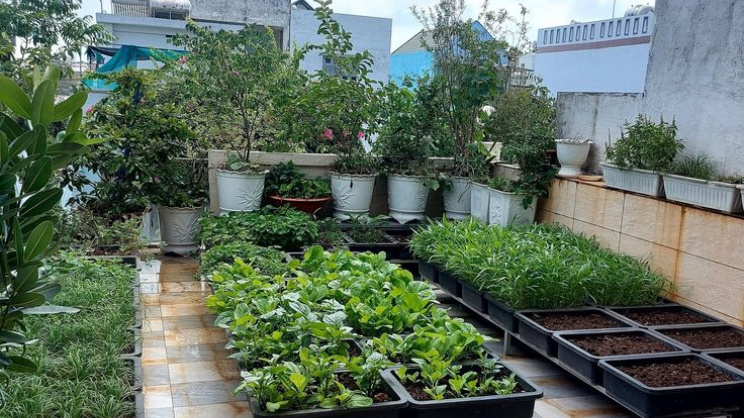
Flowers need a good patch of soil to settle into, also known as a flowerbed. It may be a small strip beside a house, a border along a walkway, a section of a yard or, in an urban home, a carefully planned corner of a rooftop or terrace. Its size and shape can vary, but the principle remains the same: several plants share one growing space, so the condition of that space matters to all of them. Soil condition, drainage and the right kind of fertilizer all make a difference.
Start with a Clean Slate
Begin by removing any weeds that might have taken up residence. Dead flowers and dried stems from last season also needs to go. Old, wet and decaying leaves also needs clearing, for they can ruin new plants. Leaf litter and dried stems can eventually become fertiliser, but that process takes a long time and delicate flowering plants should not be exposed to it. Healthy plants that can deal with winter do not necessarily need to be removed. Once the clutter is gone, it becomes much easier to see the actual condition of the bed.
Loosen What Rain has Hardened
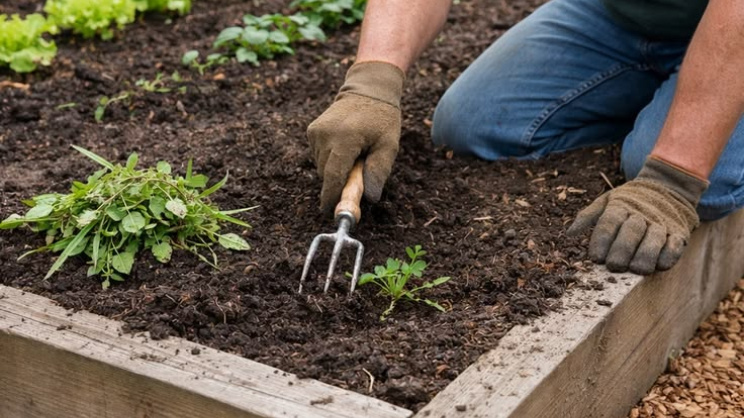
The next part of the job is beneath the surface. Repeated rain and foot traffic can compact soil, leaving fewer spaces for air and water to move inside the soil. This makes it harder for young roots to establish themselves. Loosen the upper layer with a hand fork or suitable garden tool, breaking apart hard clumps. Take care to not disturb deeper soil too much. Remove stones, old roots and other debris along the way.
Bring Back the Good Soil
Once the soil has been loosened, replenish the removed mass with organic matter. Well-decomposed compost or organic manure can improve both fertility and soil structure. This is especially useful after a long rainy season, when the soil may have lost some of its desirable texture. For rooftop and container gardens, mix loamy soil with compost and a little coco peat to keep the soil airy and moist.
There is little benefit in using fertiliser as a shortcut. Healthy, well-structured soil gives plants a better foundation than soil simply packed with nutrients. The goal is to help roots grow steadily, not force the plants to grow too quickly. Over reliance on fertiliser could have the opposite effect and make life difficult for plants.
Make Sure Water Can Escape
After months of rain, compacted soil do not drain as well as it needs to. Flowers need water, but too much water around the roots can cause problems. Pour some water onto the soil and watch what happens. If it drains slowly, the bed is fine. If water stays on the surface, fix the drainage before planting. This is especially important in low-lying gardens and rooftop beds, where rainwater can collect. Even small changes to the soil level or growing medium can improve drainage.
Follow the Light
Location is key. A flowerbed may look nice in one place, yet the amount of sunlight reaching it can change considerably between seasons. Buildings, walls, trees and nearby structures can block sunlight more than you expect. Before planting, watch the bed during the day and see which areas get the most direct sun.
Many winter flowers in Bangladesh, such as marigold, chrysanthemum, zinnia, cosmos, petunia and dianthus, grow best with plenty of sunlight. Most need several hours of direct sun each day. Remove any potential obstruction before you start planting.
Give Every Flower Some Space
 For all latest news, follow The Daily Star's Google News channel.
 Now that the bed is ready, it is time to choose the flowers. This is where things can get tempting. You may want to plant every flower you like, but a good flowerbed also needs space.
Place taller plants where they will not block sunlight from shorter ones, and give spreading plants enough room to grow. Do not space them based on the size they arrive from the nursery or horticulturist in.Those tiny seedlings can grow surprisingly big once they settle in.
Set the Seedlings Gently
Planting is the moment when all the preparation starts to come together. Handle the seedlings carefully, protecting the roots as they are transferred to the bed. Set them at an appropriate depth, sprinkle and compact the soil lightly around them. Water them lightly after planting so the roots make good contact with the surrounding soil.
It may feel tempting to fill every bit of the flowerbed immediately, but resist that urge. Space is part of the preparation. A little emptiness on planting day can prevent overcrowding later.
Water with Some Restraint
Watering pattern is different in the winter. As temperatures drop, soil stays moist for longer, so plants may need less water. Check the soil before watering. If it is still damp, wait a little longer. Morning is usually a good time to water, giving excess moisture time to dry during the day. The goal is to keep the soil moist without leaving the roots waterlogged.
Keep the Garden Moving
A prepared flowerbed still needs care. Weeds will keep appearing, faded flowers will need to be removed, and pests may occasionally show up. Clear away dead leaves and check the soil regularly rather than leaving the bed alone after the first flowers bloom.
Regular care also helps you respond to changing weather. A sudden spell of rain, an unusually warm week or a pest problem can all change what the plants need. Gardening is less about following a strict schedule and more about paying attention.
By the time the first winter flowers bloom, much of the important work will already be done. The soil will be ready, the roots will have room to grow, and the bed will have quietly moved on from the monsoon. The flowers may take the spotlight, but the real work began long before the first bud appeared.
Comments